



Effective Teeth Grinding Treatment in Nicosia, Cyprus
This dental condition is called bruxism and is common to adults and children. Many jaw clenchers are likely to do so during the day too, usually as a reaction to stress. For others, bruxism may occur in silence, leaving them completely unaware of their condition.
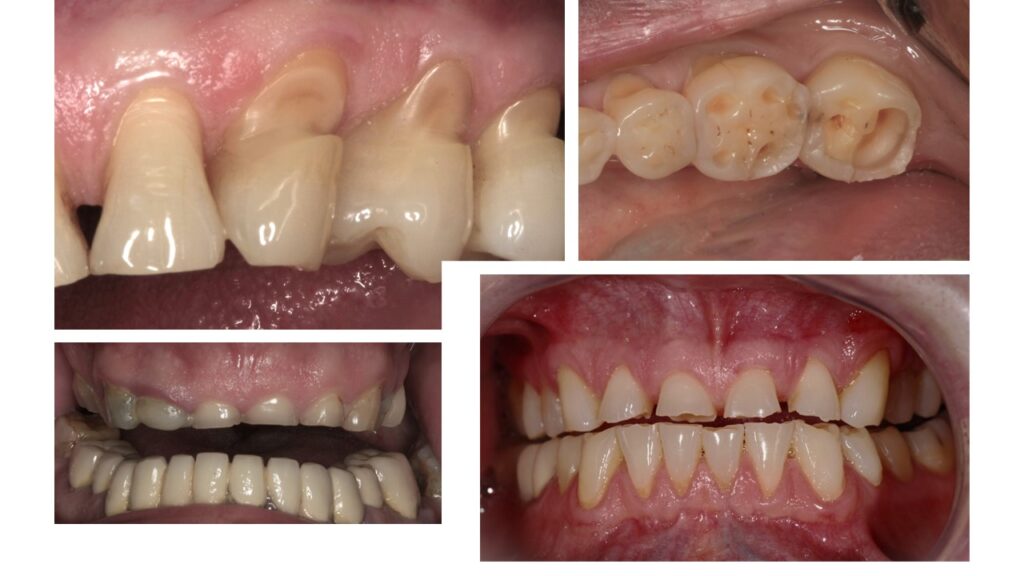
When bruxism exists for a long time, you will soon experience tooth wear, sensitivity and decay. Don’t wait until bruxism destroys your teeth and affects your overall oral health!
Smalto Dental Clinic in Nicosia has an experienced team of dentists specialized in bruxism detection, assessment and treatment. Call our clinic today to discuss how we can help you protect your teeth by treating bruxism fast and efficiently!
What is Bruxism?
Under normal conditions, mastication muscles keep the upper jaw at a distance from the lower jaw, except during the mastication/chewing of food. All other hours of the day the mouth should be in a “resting position,” so that the upper teeth do not touch the lower teeth.
Bruxism is a parafunction, where most patients are unaware that they are grinders, even when the tooth attrition is intense. In fact, when tooth clenching is not accompanied by symptoms such as headache, sore or aching jaw muscles and teeth chipping, the patient often finds it hard to believe they are doing it.
Most patients are persuaded to address the problem by their partners who hear them grind their teeth during the night.

Bruxism Symptoms
Noise and pain in the temporomandibular joint (TMJ). When the mouth opens and closes, intense clicks can be heard or felt.
Tooth sensitivity to hot, cold, pressure and sweets.
Attrition and wear, cracks and fractures of teeth and roots observed in the oral cavity.
Characteristic sphenoid damage to the necks of the teeth.
Increased teeth mobility due to periodontal tissue destruction from the intense forces exerted on the teeth.
Loud characteristic noises from the grinding of teeth during sleep.
What Causes Bruxism?
Intense stress, emotional overload, fatigue, sleep disturbance or sleep deprivation, and an overly anxious personality.
Odontogenic problems, malocclusions, disharmony of the jaws, missing or crooked teeth.
Iatrogenic dental malocclusions (due to poor dental work).
Hyper-function of the muscles of mastication
In children, sleep bruxism may be a response to pain manifesting in some other area of the body (e.g., earache). It can also manifest as a reaction to severe stress and psychological pressure, just like in adults.
Efficient Bruxism Treatment by Smalto’s Expert Dentists
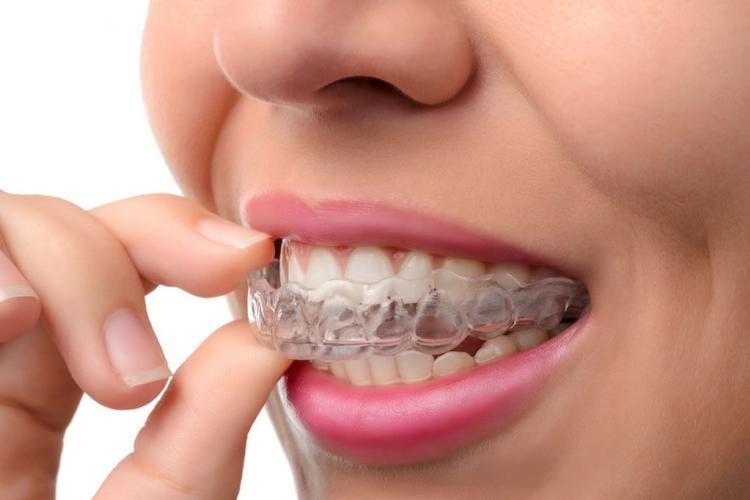
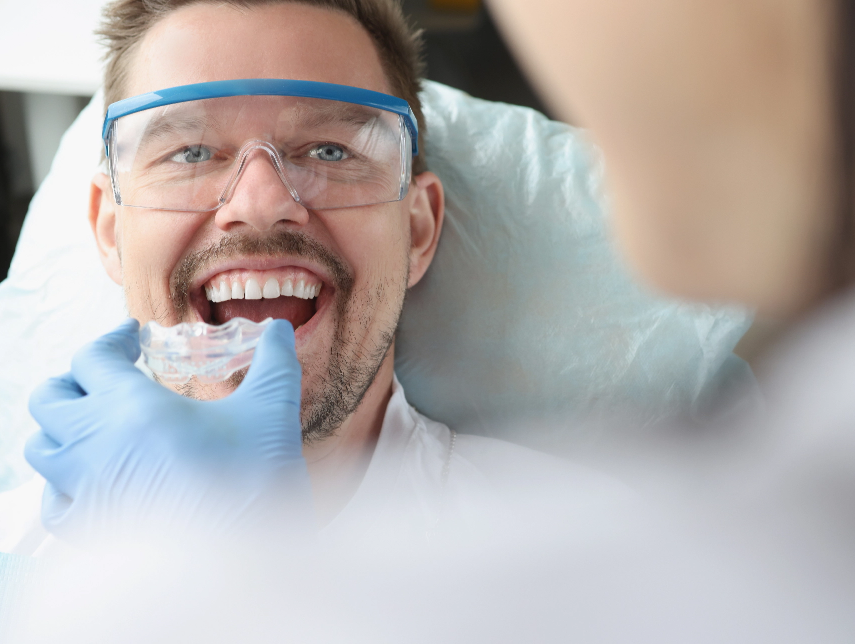
Apart from behavioral therapy, night-time bruxism can be managed using mouth guards or mouth splints. These protective splints or guards made of tough acrylic material, are placed on the upper or lower teeth.
Proper construction and application of the splint make it easier for the patient to follow the treatment. Splints do not cure bruxism, but they help patients deal with its effects, protecting the teeth from attrition.
Mouth Splints for Bruxism
How do mouth splints for bruxism work?
They’re applied systematically every night during sleep.
They force all muscles that cause the clenching of the teeth to relax.
They help create a new, more comfortable “position of rest” of the mandible.
The application period of mouth splints for bruxism can last from a few weeks to many months. Usually, after the first few applications, the splint is well-tolerated.

Benefits of Wearing A Mouth Splint For Bruxism
Protection of the TMJ joint and ensuring its proper function.
Protection of the teeth, periodontal tissues and dental work from damage.
Reduction of chipping, fractures, and excessive wear of the teeth.
Maintenance of the teeth morphology & anatomy, resulting in better food chewing.
In many cases, tooth wear progresses without the patient noticing due to a lack of symptoms. This leads to a particularly unaesthetic and functional problem. In these cases, it is usually necessary to reconstruct the vertical dimension of occlusion with occlusal bridges and crowns.
If you are suffering from bruxism, with a Smalto Dental Clinic dentist who will create a treatment plan tailored to your needs.
