


Your Children’s Dentist in Nicosia
Talk to our experienced pediatric dentists at Smalto Dental Clinic, dedicated to helping children from infancy through childhood and teenage years to achieve healthy teeth and a lovely smile!
Our clinic offers a child-friendly atmosphere and an outstanding dental care experience, making your child feel safe, secure and happy. Our purpose is to take away any fear or stress kids may feel about dentists and educate both parents and children on good oral hygiene habits.
Start your child’s dental visits early to ensure they learn how to properly care for their teeth and maintain optimal oral health for years to come. Our pediatric dentistry services include:
First check-ups
Preventative care
Oral health education
Safe & gentle dental treatments

Your Child’s First Visit To The Dentist
Most dentists recommend that the child’s first visit to the pediatric dental clinic takes place between the age of 1-2. That’s because the first visit of a child to the dentist should not be associated with pain, but be a friendly visit where they will meet and greet each other. Thus, it is important to forge a relationship of trust between the parent, the child and the dentist at an early age.
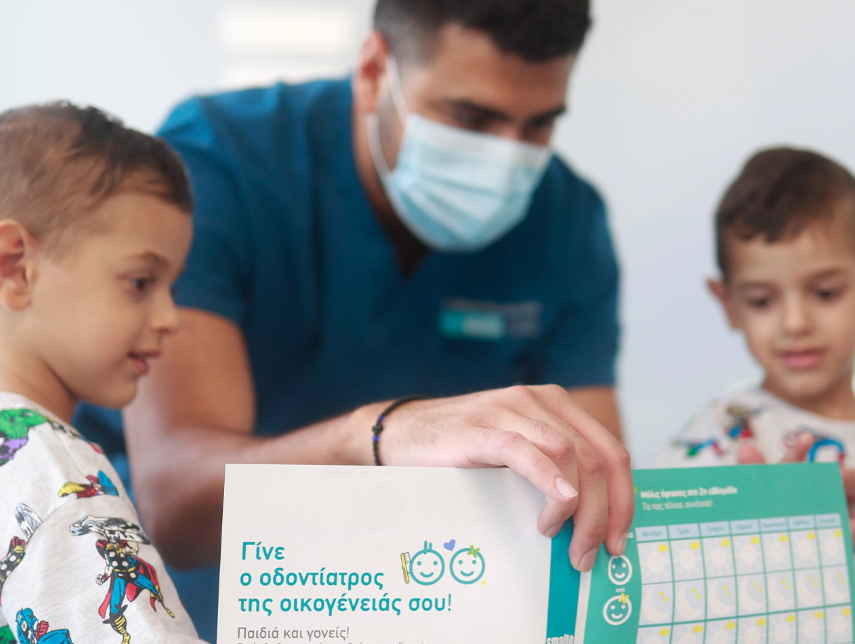
To help your children establish a smooth brushing routine, download the BRUSHING CALENDAR by Smalto Dental Clinic Nicosia. You can use it to draw with your children and bring it with you to your next appointment so that we can talk about it together.
Early Dental Visit – Lifelong Oral Health
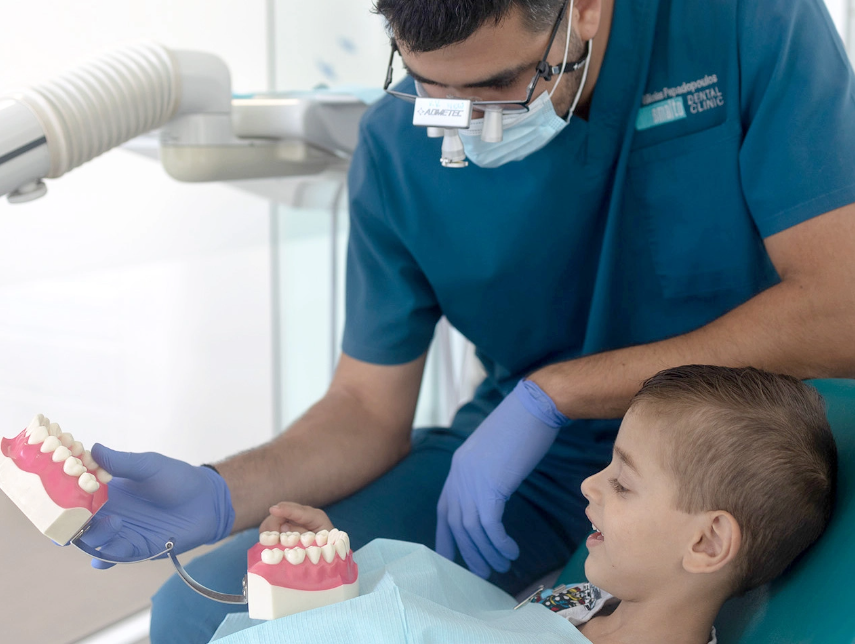
During the appointment, the dentist can examine your child on your lap if this will make them feel more relaxed. You will also be briefed on dental decay prevention, the importance of milk teeth, healthy eating habits, and the effects of bad nutrition on oral health.
The goal of the first visit is to expose the child to the dental environment and get to know our pediatric dentists and personnel. We want children to feel comfortable receiving dental care and encourage you and your child to ask questions or discuss your dental concerns with us.
Your Child is in Expert Hands
Medical and dental history evaluation
Oral hygiene instructions about prevention of early childhood tooth decay, gum disease (gingivitis), thumb sucking, eating habits, etc.
Thorough clinical examination of teeth and gums
Orthodontic examination for early detection of skeletal abnormalities or severe crowding
Teeth cleaning & polishing and dental fluoridation
Preventive tooth sealants on milk or permanent teeth
Dental radiographs (X-rays) if needed
Treatment planning
Our children’s dentists offer outstanding oral health care, including tailored care for children with medical, physical, psychological, emotional, or intellectual difficulties. Everyone is welcome at Smalto Dental Clinic!

All You Need To Know About Pediatric Dentistry
Use Of The Feeding Bottle
Letting children fall asleep while they are using the feeding bottle means they are continuously exposed to sugar or honey contained in milk or juice.
This increases the production of acids which are to blame for one of the most serious types of tooth decay in children, that can destroy the teeth in a very short time. Hence, the feeding bottle must be used appropriately and, under no circumstances, must it be used as a pacifier.

Use Of Pacifier And Thumb Sucking
More specifically, thumb sucking and pacifiers can lead to serious jaw malformation; thus, they must be terminated around 3 to 4 years old. Their use after this age can lead to serious orthodontic problems, including open bites, cross bites, protruding teeth, etc.
If you have difficulty helping your child stop thumb sucking, the Smalto orthodontist can help you with a custom-made device. It is important to note that eliminating those habits early allows for the timely correction of any malformation in the child’s teeth or jaw.
Does your child refuse to stop thumb sucking? Reach out to Smalto Dental Clinic in Nicosia and our expert pediatric dentist will assess your child’s dental health and provide step-by-step guidance on how to address the habit.
Tooth Brushing For Children
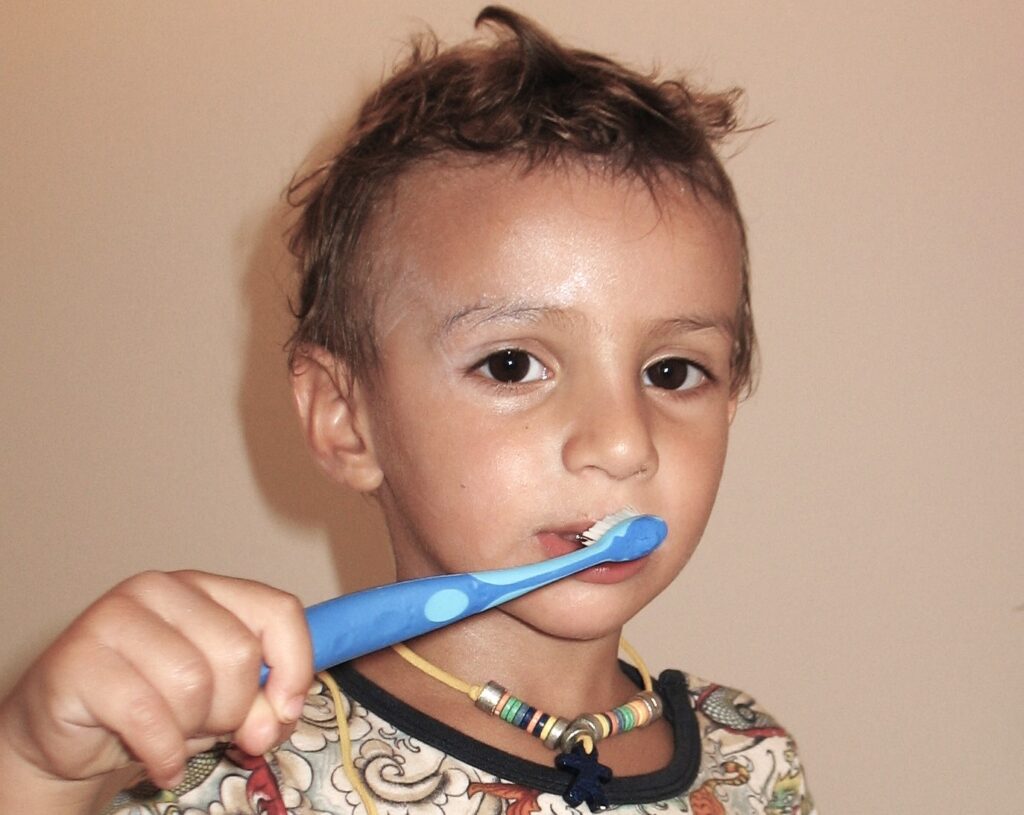
When: Start brushing as soon as the first tooth appears. Initially, use a small, soft-bristled toothbrush for infants without using toothpaste. Milk teeth should be brushed twice a day, after breakfast and before going to bed. As more teeth come in, use toothpaste to a pea-sized amount.
How: Hold the toothbrush at a 45-degree angle to the gums and use gentle circular or back-and-forth motions to brush all surfaces of the teeth. Also, brush the tongue and roof of the mouth to remove bacteria.
How often: Children should brush their teeth twice a day for two minutes each time. Parents should supervise brushing until children can brush effectively on their own, usually around the age of 6. Encourage children to spit out toothpaste after brushing and not swallow it.
Besides brushing, other healthy oral hygiene habits for children include flossing daily, limiting sugary foods and drinks, and visiting the dentist regularly for checkups and cleanings.
Fluoridation For Children
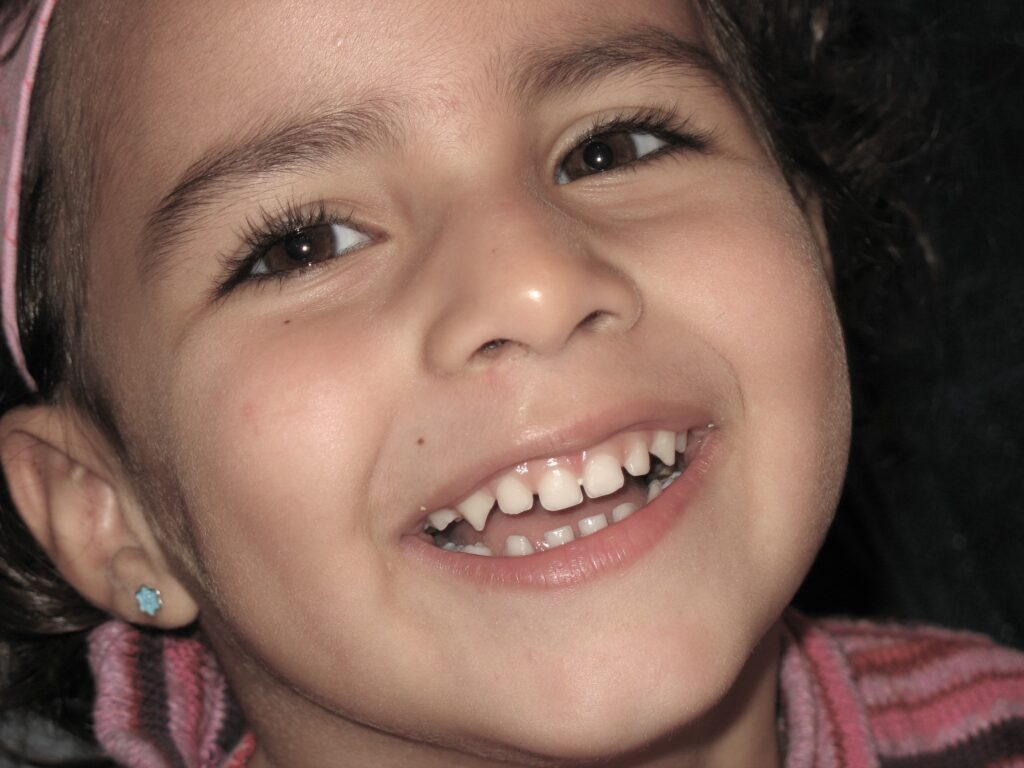
Fluoridation is safe and effective for children, with many studies showing that it can reduce the incidence of tooth decay in children by up to 50%. Your child’s dentist will be able to give you detailed information about fluoridation. In general, it must start between ages 2 and 3 and be repeated every 6 months. In cases of children where tooth decay is frequent, you must repeat fluoridation every 3 months according to the dentist’s instructions.
Benefits of fluoride for children:
Strengthens developing teeth
Helps repair early stages of tooth decay
Reduces the amount of acid produced by oral bacteria
Tooth Fillings For Children
Tooth decay happens because of the acids produced by the bacteria of the dental plaque. The acids destroy the outer surface of the tooth enamel, causing the creation of small holes, usually in between two neighboring teeth.
Treatment consists of removing the source of infection, cleaning the tooth, and placing a filling. The process of getting a filling for a child is quick and easy:
The dentist numbs the area around the tooth with a local anesthetic
Removes the decayed portion of the tooth
Places the filling material & shapes it to fit the tooth
After the filling is complete, the child may experience some sensitivity or discomfort, but this should subside within a few hours.
Tooth Cleaning & Polishing For Children
Dental cleaning takes place in two stages:
Teeth Cleaning – the dentist removes the hard parts of plaque and tartar from teeth with a device using ultrasound.
Polishing – the use of a soft brush removes the softer parts of dental plaque and the dental surface is polished with a special fruit or gum-flavored dental paste.
Teeth should undergo cleaning and polishing at least 1-2 times per year until age 13, whereas the first visit to the orthodontist should take place around ages 6 to 7.
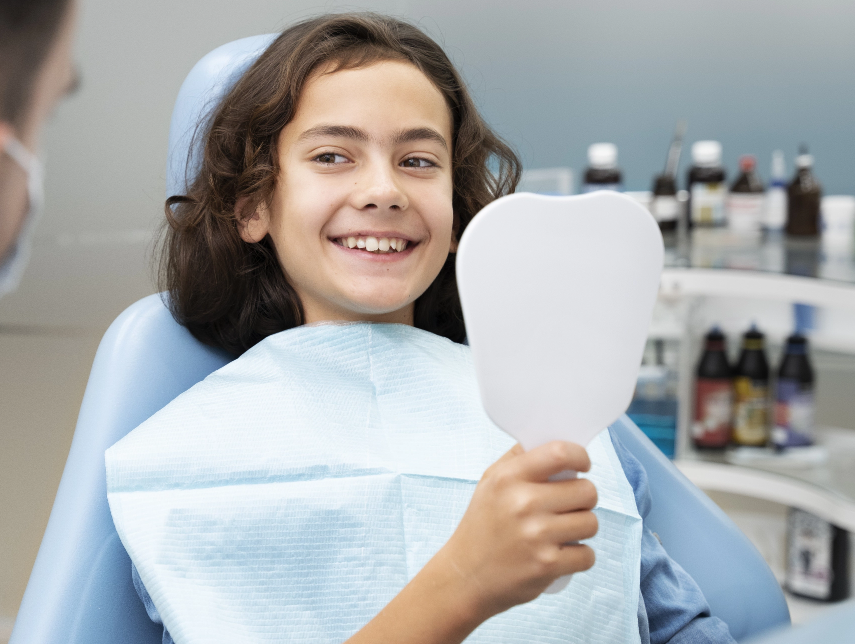
Tooth Extraction for Children
Here’s what you need to know about teeth extractions for kids:
Local Anesthesia – Used to numb the area around the tooth and help the child relax.
Extraction Process – Once the area is numb, the dentist will use a special tool to loosen the tooth from its socket and remove it.
Recovery – After the tooth is extracted, the child may experience some pain and swelling in the area. The dentist may recommend pain relief medication. It is important for the child to avoid chewing on the extraction site and to follow any post-operative instructions provided by the dentist.
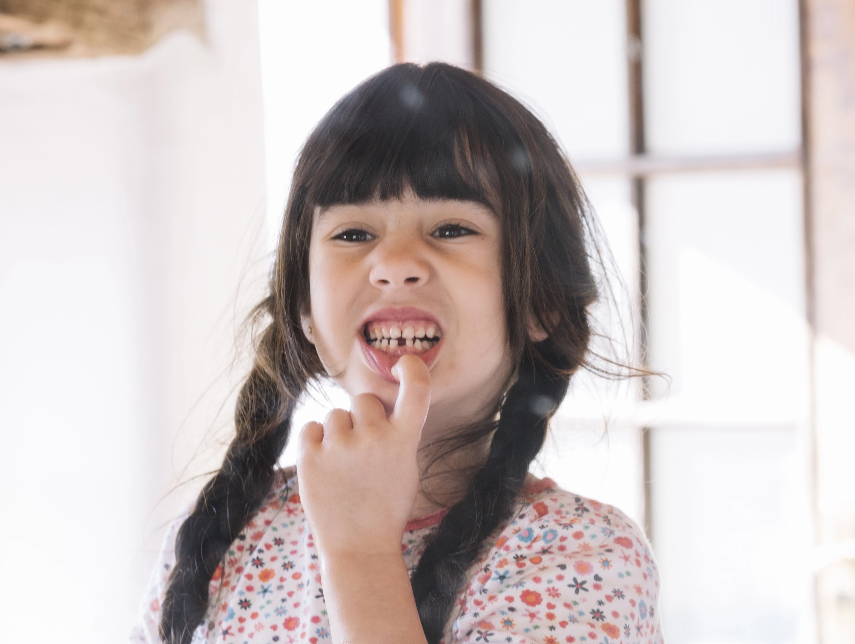
Mouth Injuries & Tooth Loss in Children
Mobility in teeth – the dentist should immobilize them.
Broken tooth – the dentist may be able to restore it.
Permanent tooth comes out of position – visit the dentist as soon as possible. Never touch the root; instead, take it from the crown, which is the white part of the tooth. If you cannot place it back in the child’s mouth, put it in a bowl with milk – not water.
The sooner you get to the dentist (within 30-40 minutes), the more possibilities you have to save the injured tooth.
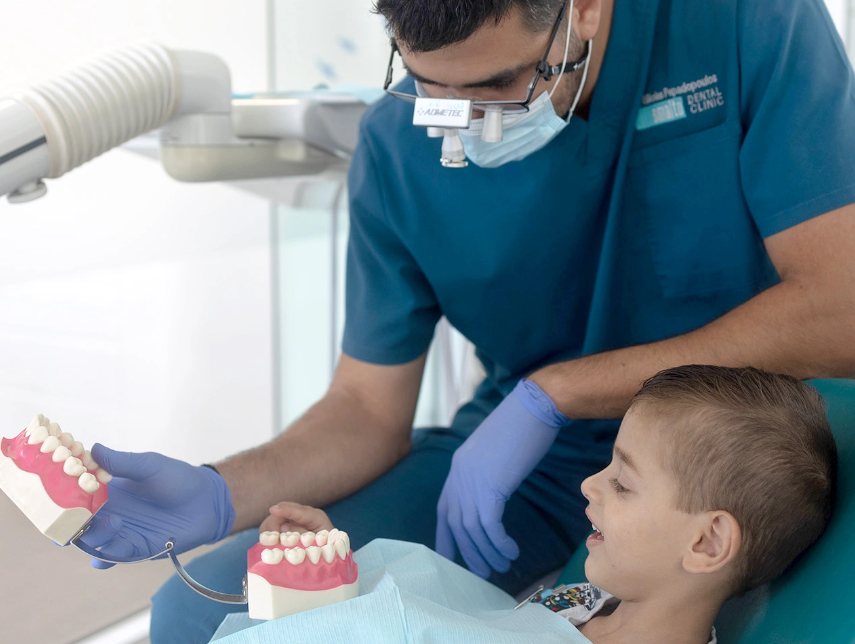
High-Quality Care For Your Child’s Teeth & Oral Health
As a parent, you can help your children protect their teeth and maintain good oral health in many ways:
Begin practicing good oral hygiene habits when first teeth come in.
Show children how to brush for at least 2 minutes & reach all areas of the mouth.
Monitor brushing.
Encourage healthy eating with a diet low in sugar, acidic foods and drinks.
Limit snacking.
Schedule regular dental checkups & cleanings.
Set a good example for your children by practicing good oral hygiene habits yourself.
